Complaints Procedure — Skip Hire Bow
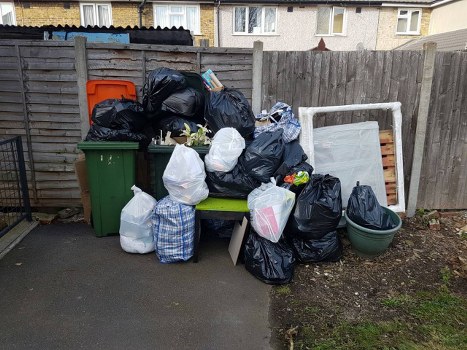 Purpose: This complaints procedure sets out how Skip Hire Bow and associated skip hire services in the area manage, record and resolve complaints about rubbish collection, skip delivery, waste removal and related service issues. It is designed for customers of any Bow skip hire operator, contractors and representatives who require a formal route for raising concerns. The aim is timely, fair and transparent resolution while learning from issues to improve operational standards.
Scope and Principles
Principles: Our approach is impartial, consistent and accountable. Complaints about Bow skip hire or the broader skip hire services Bow will be treated with confidentiality and without discrimination. We commit to acknowledging every complaint, investigating thoroughly, keeping complainants informed and applying proportionate remedies when failures are identified. Records will be maintained to support continuous improvement and regulatory compliance.
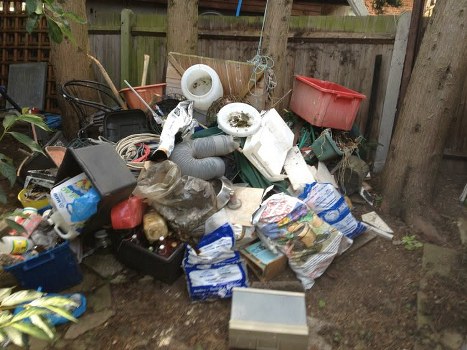 Who may complain and what constitutes a complaint: A complaint can be made by any customer, site manager, neighbour or authorised representative who is dissatisfied with any element of skip hire & waste removal services provided by a skip hire company in Bow. Typical complaints include missed collections, unsafe delivery, incorrect invoicing, damage to property or poor communication. Routine service queries or requests for information are not complaints unless they escalate to dissatisfaction with how the matter was handled.
How to Raise a Complaint
To begin the complaints process, provide a clear description of the issue, relevant dates, locations and any supporting evidence such as photographs or delivery notes. Complaints must be submitted in writing to ensure clarity; however, an initial verbal report will be accepted and followed up with a written record. The complaint should reference the delivery or job reference where available and use variation tags such as skip hire in Bow or Bow skip hire to help categorise the issue.
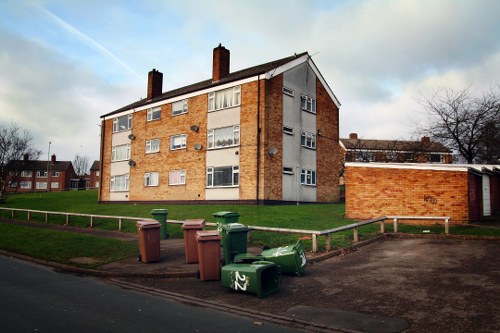 Acknowledgement and initial response: On receipt of a complaint, an acknowledgement will be issued within a defined period to confirm that the matter is logged and will be investigated. The initial response will outline the next steps, the expected timetable and the person responsible for handling the investigation. Typical acknowledgement timescales aim to be prompt while allowing for necessary fact-finding.
Investigation process: The investigation will assess records, staff statements and any available evidence. Investigators will seek to establish sequence of events, identify any service shortfalls and determine responsibility. Where health and safety or environmental risks are implicated, immediate protective steps will be taken while the enquiry continues. Investigations will be conducted impartially and documented to support any subsequent actions.
Outcomes and remedies: Following the investigation, outcomes may include a formal apology, corrective action such as re-collection or re-delivery, operational adjustments, or financial redress where appropriate and justified. Remedies are proportionate to the impact of the failure and consistent with contractual terms and waste management regulations. All decisions will be recorded and retained in line with data retention policies.
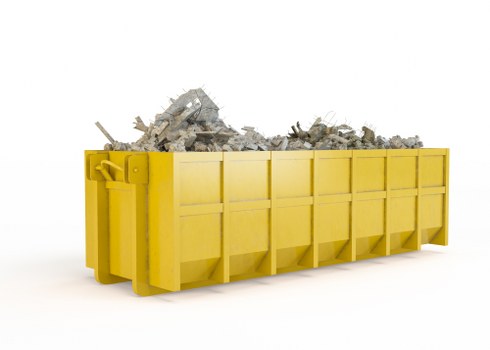 Escalation and independent review: If a complainant is unsatisfied with the outcome, they may request an internal review by a senior manager not previously involved in the case. Where available, and if internal avenues are exhausted, an external independent review or mediation may be suggested to impartially adjudicate complex disputes. Escalation pathways are transparent and timelines for review are set out to avoid undue delay.
 Confidentiality and data protection: Complaint records will be handled in accordance with data protection principles. Personal information will only be used for the purposes of investigation, remedy and improving service delivery. Sensitive information will be redacted from wider reports unless consent is given. Records will be stored securely and access restricted to staff with a legitimate need to know.
Monitoring, learning and prevention: All complaints are reviewed periodically to identify trends and recurring themes related to skip hire operations. Learning outcomes inform staff training, contractor selection, route planning and safety audits. Where patterns indicate systemic issues, formal corrective action plans are implemented to prevent recurrence and to raise the standard of rubbish collection and skip management across the service area.
Timeframes and closure: The target times for resolution vary by complexity; simple matters may be resolved promptly while complex compliance or safety investigations can take longer. Complainants will be kept informed of progress and advised on the anticipated closure date. Once a complaint is closed, a summary of findings and steps taken will be provided in writing.
Review of this procedure: This complaints procedure is periodically reviewed to ensure clarity, accessibility and compliance with applicable regulations and best practice in waste management. Changes to the process will be published and applied to new complaints while outstanding cases are progressed under the version in effect at the time of receipt. The organisation remains committed to continuous improvement, robust governance and fair resolution of issues related to skip hire and waste removal.