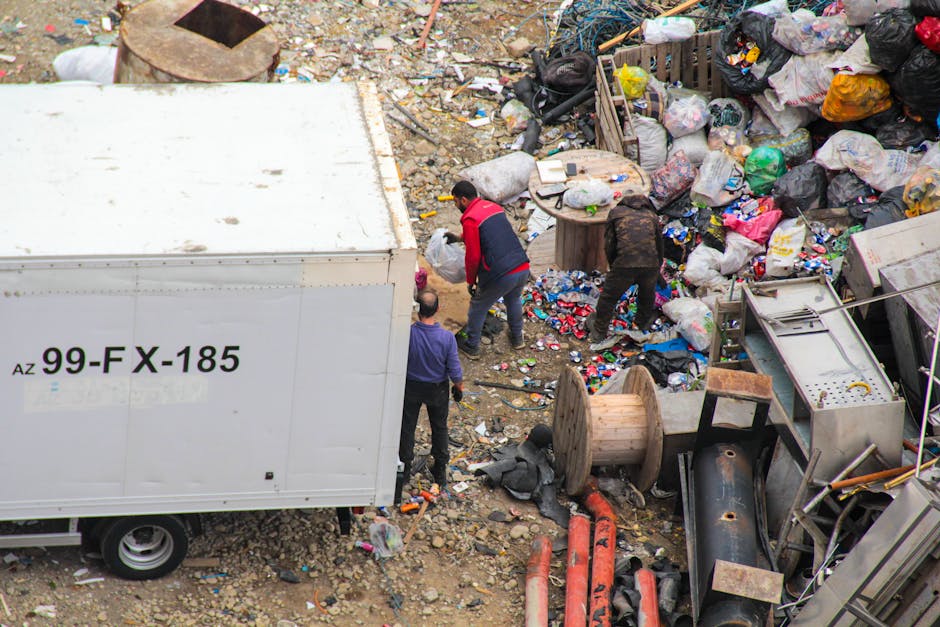
Rubbish collection near Bow Road station for E3 residents
If you live in E3 and you are trying to sort rubbish collection near Bow Road station, you probably want one thing above all: a simple, reliable way to get waste gone without turning your week upside down. Maybe it is a flat clearance after a move, a pile of builder's rubble from a weekend job, or just the usual mix of bagged waste, old furniture, and the odd thing you kept meaning to deal with. Whatever the mess, the right service should make life easier, not more complicated.
This guide walks through how local rubbish collection typically works around Bow Road station, what residents in E3 should look out for, and how to choose the most practical option for your space, budget, and timeline. We will also cover permits, access issues, disposal rules, and when it makes more sense to use rubbish removal services, a skip, or a wait-and-load approach. Simple really. Well, mostly simple.
Why Rubbish collection near Bow Road station for E3 residents Matters
Bow Road station sits in a busy, densely lived-in part of East London, and that changes the whole waste picture. You are not dealing with a wide suburban driveway and room to spare. You are dealing with terraced streets, apartment blocks, tight parking, buses, taxis, delivery vans, and the usual pinch points that come with city living. That means rubbish collection is not just about tidiness; it is about access, timing, safety, and keeping disruption low.
For E3 residents, the practical stakes are often higher than people expect. A few black bags left too long can quickly become a nuisance. A sofa blocking a hallway can become a fire safety issue in a block. A pile of renovation waste can make a small front garden look like a skip yard by Tuesday afternoon. Let's face it, nobody wants that.
There is also the local angle. Around Bow Road and the surrounding E3 streets, many properties have limited off-street storage. Some homes share access paths. Some buildings need collections to happen quietly and promptly so neighbours are not annoyed or interrupted. So when people search for rubbish collection near Bow Road station, they are often really asking for a service that works around real-life London constraints.
That is where choosing the right method matters. A standard collection may suit bagged household waste. A larger clearance job may be better handled through man and van waste collection or a full skip hire solution. The best answer depends on what you have, where it sits, and how quickly it needs to move.
How Rubbish collection near Bow Road station for E3 residents Works
In simple terms, rubbish collection is the organised removal of unwanted items and waste from your property or kerbside area by a licensed waste carrier. The job may be handled as a one-off collection, a same-day service, a scheduled domestic clearance, or a larger project with loading, transport, sorting, and disposal all wrapped into one.
For a Bow Road or E3 address, the process usually starts with a description of the waste. The more accurate you are, the better the recommendation. A pile of mixed household rubbish is very different from a load of plasterboard, old wardrobes, broken appliances, or garden cuttings. If there are bulky items involved, the team may suggest mattress and sofa disposal or fridge and appliance removal rather than treating everything as generic waste.
Then comes access. This is a bigger deal than most people realise. Can a vehicle stop nearby? Is there parking outside? Are there steps, narrow hallways, controlled entry points, or loading restrictions? A five-minute conversation can save a lot of grief. In our experience, access details are what separate a smooth collection from a messy one.
Once the route and waste type are clear, the collection can be matched to the right method. Some jobs are ideal for a direct uplift from the property. Others are better suited to wait and load skip hire, where the waste is loaded quickly and taken away without leaving a skip on the street. That option is especially useful where space is tight or permit concerns are likely.
For larger volumes, waste may need to be sorted first. Reusable and recyclable material is often separated from residual waste. That helps keep disposal more efficient and supports better recycling outcomes, which is something many residents now look for as standard rather than a bonus. Fair enough.
Key Benefits and Practical Advantages
There are a few reasons rubbish collection near Bow Road station is popular with E3 residents, and they are mostly very practical.
- Saves space quickly. Small flats and shared homes fill up fast. A proper collection clears room without waiting around.
- Reduces disruption. No need to drag bulky waste through the estate for days on end.
- Works around access limits. If parking is awkward, a tailored collection can still work.
- Simplifies disposal. You do not have to hire a van, lift everything yourself, or make repeated trips to a tip.
- Helps with mixed waste. Household junk, renovation offcuts, and bulky items can be handled together when sorted correctly.
- Supports better recycling. Responsible operators separate recyclable materials where possible.
There is also peace of mind. When waste is collected properly, you are not left wondering whether it was disposed of in the right place. That matters, especially in London where fly-tipping is still a common problem. A cheap shortcut can become an expensive headache very quickly.
If you are comparing options, it helps to think about the full job rather than just the pickup moment. For example, a small load of bagged waste might be cheaper and easier through man and van, while a longer renovation project may benefit from builders skip hire or builders waste removal. The right match saves time and usually saves money too.
Who This Is For and When It Makes Sense
This kind of rubbish collection is useful for a wide mix of E3 residents. You might be:
- a tenant clearing out before a move
- a homeowner dealing with loft or garage clutter
- a landlord turning over a property between lets
- a student or sharer tidying up after a build-up of bulky waste
- a small business owner near Bow Road station who needs items removed fast
- someone with limited lifting ability who wants the job handled properly
It also makes sense in specific situations. For example, after a kitchen refit, there may be old units, packaging, broken tiles, and general mixed rubbish. After a garden tidy-up, you could have branches, soil, sacks, and a few items of outdoor furniture that have seen better days. For that kind of work, garden waste removal may be a cleaner fit than trying to bundle everything into black bags.
Commercial users around Bow Road also benefit from reliable uplift. Offices, shops, and hospitality venues often need prompt clearances for furniture, packaging, confidential paperwork, or old fixtures. In those cases, office clearance and confidential shredding can keep things moving without creating a mess at opening time. Nobody wants a pile of shredding sacks in the middle of a working day. Not a great look.
Step-by-Step Guidance
If you want a straightforward rubbish collection experience near Bow Road station, it helps to follow a proper order. Here is the version that tends to work best.
- List what you need removed. Make a quick inventory. Include bulky items, bags, rubble, appliances, and anything awkward or heavy.
- Separate hazardous or restricted waste. Paints, chemicals, batteries, gas bottles, and certain electrical items may need specialist handling. If in doubt, ask before collection day.
- Check access. Note stairs, lift access, parking restrictions, entry codes, and whether the waste is inside or outside.
- Choose the right service type. For small mixed loads, rubbish removal may be enough. For larger clearances, consider skip options or grab hire services.
- Ask about loading and sorting. A service that sorts waste responsibly is usually better for both efficiency and recycling.
- Confirm timing. If you need it same day, say so early. If access is time-limited, make that clear too.
- Prepare the items. Move waste to one place if you can. Keep walkways clear and make sure the collection point is safe.
- Check what happens after collection. Good operators will transport waste for appropriate disposal and recycling, not just dump it somewhere else.
For some E3 homes, the smartest move is not a traditional skip at all. If you do not have space for a skip on the road, or if you want waste gone without waiting for a long stay outside, same day skip hire or wait and load skip hire can be far more practical. You get the benefit of a bigger container without the awkward part of leaving it in place overnight.
Expert Tips for Better Results
A few small choices make a big difference. Honestly, this is where people save themselves from hassle.
Be accurate about the waste type. A mixed load can be managed, but the collection plan needs to reflect what is actually there. A quick photo helps. So does a brutally honest description. Half the job is just describing the job properly.
Think in terms of access, not just quantity. Two bulky items on the third floor can be harder to remove than fifteen bags by the front door. Stairs matter. So do lifts, corners, and the size of the collection vehicle.
Choose recycling-led services where possible. A good provider should separate recyclable waste and dispose of everything in line with the waste hierarchy. You do not need to become a recycling expert overnight, but it helps to pick a service that treats recycling seriously.
Use the right container or method for the space. If your street has no room for a skip, do not force one. skip hire permits may be required in some locations, while enclosed and lockable skip hire can be a better option where security or weather protection matters.
Plan around neighbours. Sounds obvious, but it is worth saying. Early-morning loading can be disruptive in a quiet block. If you can, aim for a window that fits the building and the street, not just your diary.
Keep valuables and sensitive materials separate. Documents, memory sticks, personal letters, and electronics should be sorted before the waste is collected. If you are clearing a workspace, confidential shredding is worth arranging rather than tossing paper into mixed rubbish.
Common Mistakes to Avoid
Most collection problems are avoidable, which is the irritating part. They happen because someone guessed, rushed, or assumed the service would "just work itself out." It rarely does.
- Underestimating the volume. A pile that looks small in the corner often expands into a very different problem once moved.
- Mixing restricted items with general waste. This can cause delays, extra charges, or refusal of the load.
- Ignoring access constraints. If the vehicle cannot stop safely, the collection can stall before it starts.
- Booking the wrong method. A flat clearance is not always a simple rubbish pickup. Sometimes you need house clearance rather than a general collection.
- Forgetting about permits. If a skip needs to sit on a public road, the permit question matters. See skip permits for the permit side of things.
- Leaving the sorting until collection day. That usually makes the job slower and more expensive.
Another common slip is assuming every waste item can go into the same load. For example, appliances, mattresses, and certain construction materials can need separate handling. If you are unsure, check guidance on what can go in a skip before the team arrives. That one page can save a surprising amount of back-and-forth.
Tools, Resources and Recommendations
You do not need a huge toolkit to organise rubbish collection, but a few simple things help.
- Phone photos: useful for giving a clear idea of the waste pile and access point.
- Basic tape measure: handy for checking whether a bulky item or container will fit through a hallway or doorway.
- Marker pens and bags: useful for labelling keep, donate, recycle, and dispose piles.
- Gloves and sturdy shoes: sensible for moving waste safely before collection.
- A quick notes list: especially useful if you are comparing skip sizes and prices or deciding between collection methods.
On the service side, the most useful pages to review are usually the ones that help you choose the right approach: domestic skip hire for home projects, waste recycling services if environmental handling matters to you, and pricing and quotes when you want a clearer sense of budget before booking.
If you are dealing with a heavier site clean-up, you may also want site clearance, construction waste disposal, or demolition waste removal. Those are not everyday residential jobs, but when they are relevant, they are very relevant.
Law, Compliance, Standards, or Best Practice
Waste collection in the UK has a few expectations that are worth taking seriously. The exact obligations can vary depending on the waste type and setting, but the big idea is consistent: waste should be handled safely, transported properly, and transferred to the right place by a responsible carrier.
For residents, the most practical best practice is to choose a provider that can explain how waste is collected, sorted, transported, and disposed of. You do not need a legal lecture. You just need assurance that the job will not end up becoming fly-tipping by another name.
For landlords, builders, and businesses, record-keeping matters more. If you generate larger volumes of waste or mixed materials, make sure you understand what is being removed and how it is being managed. A reputable provider should be able to talk plainly about their process, their health and safety policy, and their approach to insurance and safety.
Special waste needs extra care. Hazardous materials, some electricals, and sharp or contaminated items should not be treated casually. If a load contains anything that could pose a risk, use a service that clearly offers hazardous waste disposal or that can advise what needs separate handling. That is not overcautious. It is just sensible.
In a busy area like Bow Road, compliance also has a neighbourly side. Keeping loading tidy, avoiding blocked pavements, and choosing the least disruptive option possible are all part of good practice. You can call it professionalism, or common sense. They are close cousins.
Options, Methods, or Comparison Table
Different waste situations call for different solutions. Here is a simple comparison to help E3 residents decide what fits best.
| Method | Best for | Strengths | Watch-outs |
|---|---|---|---|
| Rubbish removal | General household waste, small clearances, bulky items | Fast, convenient, minimal effort | May be less cost-effective for very large volumes |
| Man and van | Mixed loads, flat clearances, awkward access | Flexible, good for loading help, ideal in tight streets | Needs accurate description of the load |
| Skip hire | Refits, ongoing jobs, larger volumes | Good capacity, useful for projects over several days | May need space and possibly a permit |
| Wait and load | No storage space, quick turnaround, permit-sensitive streets | No skip left behind, efficient for busy areas | Requires waste to be ready quickly |
| Grab hire | Heavier or larger bulky loads | Good reach and fast removal of loose waste | Less suitable for small domestic jobs |
For many Bow Road residents, the choice comes down to space and urgency. If you have room and time, a skip may be the easy answer. If you do not have room, or you need the waste gone in one clean sweep, a collection service is usually more practical. That is the honest version, and it is the one that tends to hold up in real life.
Case Study or Real-World Example
Picture a typical E3 flat near Bow Road station. A resident has just finished decluttering before a move. There are six bags of mixed household waste, an old chest of drawers, a broken desk chair, a vacuum cleaner that has given up, and two small appliances in the kitchen corner. No huge construction job. Just the kind of clutter that looks manageable until you actually start moving it.
At first, they consider a skip. But the street is tight, parking is difficult, and they are not sure about permit requirements. A large skip could create more stress than it solves. After checking the load and access, a collection through rubbish removal and, for the appliances, appliance removal makes more sense. Everything is handled in one visit, the hallway is clear again, and the resident can get on with packing without tripping over old furniture.
That is the sort of scenario we see a lot. Not dramatic. Just practical. And that is exactly why the service matters. The right approach saves time, reduces stress, and keeps the place liveable while life is already a bit chaotic.
Practical Checklist
Before you book rubbish collection near Bow Road station, run through this checklist.
- Have I listed every item or waste pile that needs removing?
- Do I know whether any items are hazardous, bulky, or restricted?
- Have I checked access, parking, stairs, and entry codes?
- Do I need a fast uplift, a scheduled collection, or a skip-based solution?
- Have I compared quotes and pricing in a way that reflects the full job?
- Do I know whether a permit might be needed if a skip is involved?
- Have I separated anything sensitive, reusable, or recyclable?
- Is the waste ready to load, or do I need help moving it first?
- Have I told the provider about any tight deadlines or neighbour-sensitive time windows?
- Am I clear on what happens after collection?
If you can tick most of those boxes, you are already ahead of the game. Honestly, that is half the battle.
Get a free quote today and see how much you can save.
Conclusion
Rubbish collection near Bow Road station for E3 residents is really about matching the waste to the space, the street, and the pace of your day. In a busy East London area, the simplest-looking job can become awkward if the access is tight or the waste is mixed. The good news is that there are flexible options, from direct rubbish collection to wait and load, skip hire, grab hire, and specialist item removal.
If you choose carefully, prepare the load properly, and pay attention to access and disposal details, the whole thing becomes much easier than people expect. That little bit of planning goes a long way. And when the rubbish is finally gone, the relief is immediate. The room feels bigger, the flat feels calmer, and you can breathe a bit easier.
For many E3 residents, that is the real value: not just waste removed, but space restored. One less thing hanging over you. Nice, clean, done.
Frequently Asked Questions
What is the best rubbish collection option near Bow Road station for a small flat?
For a small flat, a flexible rubbish removal or man and van service is often the most practical choice. It avoids the hassle of leaving a skip outside and works better where storage and parking are limited.
Can I get same day rubbish collection in E3?
Often, yes, depending on availability and the size of the load. If you need a fast turnaround, same day skip hire or a quick collection service is usually the first thing to ask about.
Do I need a permit for waste collection near Bow Road?
If waste is being collected directly from your property or a kerbside pickup area, a permit is usually not the main issue. If a skip needs to sit on a public road, then permit requirements may come into play. It is worth checking early.
What types of rubbish can usually be collected?
Typical items include general household waste, bagged rubbish, furniture, appliances, garden waste, and some building waste. Restricted or hazardous items may need separate handling, so always check first.
Is rubbish removal better than skip hire for Bow Road residents?
It depends on access, volume, and timing. Rubbish removal is often better for tight streets and one-off clearances. Skip hire can be better for ongoing projects with enough space.
How do I prepare for a rubbish collection?
Sort the waste, move it to a sensible collection point if possible, and make sure access is clear. Photos are helpful too, especially if the pile is awkward or includes mixed items.
Can bulky items like sofas and mattresses be taken away?
Yes, usually. They are often handled through specialist bulky item services such as mattress and sofa disposal, which makes the process simpler and cleaner.
What should I do with electrical items?
Small electricals and larger appliances should be checked before collection. Some items can be removed as part of an appliance collection service, while others may need special treatment.
How can I make sure my waste is handled responsibly?
Choose a provider that explains its disposal and recycling process clearly. Reputable services should separate recyclable material where possible and manage waste in line with standard UK best practice.
What if I have building waste from a renovation?
For renovation waste, look at builders skip hire, builders waste removal, or construction waste disposal depending on the amount and the type of material. Mixed rubble, plasterboard, and timber can all affect the best option.
Is garden waste collected separately?
Yes, it often is. Garden waste removal is usually the cleaner option for branches, grass, soil, and green cuttings, especially after a big tidy-up.
How do I know whether I need a skip or a collection service?
If you have room for a skip and the job will run over a few days, skip hire can work well. If access is tight, the job is one-off, or you want the waste gone quickly, collection is often the better fit.
Can rubbish collection help with a house clearance?
Yes. For larger clear-outs, house clearance is often the most sensible route because it handles mixed items, bulky furniture, and general waste in a structured way.
What is the easiest way to get a price?
The easiest way is to request a quote with a clear description of the waste, access, and timing. If you want to plan properly, pricing and quotes is the most useful place to start.